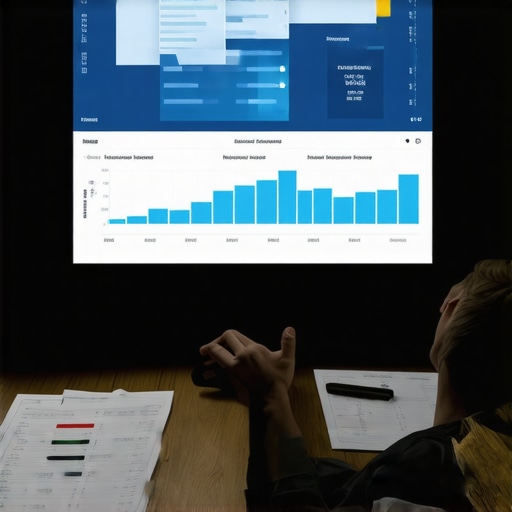
I remember the sinking feeling in my stomach when I checked my Google Business Profile and saw my listing had plummeted. One day, I was top of the local pack, attracting a flood of leads. The next? Vanished. No updates, no notifications — just a huge drop. That moment of realization hit hard. It’s like watching your online reputation slowly slip away, and suddenly, your entire business feels vulnerable.
That was me early on, and I bet many of you are facing the same frustration right now. So, what’s really happening? Why are our hard-earned rankings so fragile in 2026? More importantly, how can we fix this and get back to the top where we belong?
Why Your Google Rankings Keep Falling—And Why It Matters More Than Ever
Understanding the why behind ranking drops is crucial. In 2026, local search algorithms are becoming more sophisticated, making it easier for shady practices—like spam or fake competitors—to sabotage genuine businesses. Studies show that up to 70% of local search penalties are caused by spam and manipulative tactics (source: GXP Exorcist).
If your profile drops out of the top spots without warning, it’s not just about losing visibility; it’s about losing trust and potential revenue. That’s why I’ve dedicated myself to mastering effective recovery tactics. Over time, I discovered that understanding common pitfalls—like not protecting against spam, ignoring ranking signals, or failing to remove fake competitors—can make all the difference.
Early on, I made the mistake of neglecting to scrub spammy profiles linked to my business. This oversight kept me trapped in a vicious cycle, preventing my profile from climbing back. Trust me, a quick review of these proven tips can help you avoid that mistake and accelerate your recovery.
In this post, I’ll walk you through four practical tactics that I’ve tested and perfected—whether dealing with fake map pins, spammers, or algorithm shifts—that will help you restore your Google rankings swiftly. Ready to get your profile back and reclaim your rightful spot? Let’s dive into the first step.
Identify and Remove Fake Map Pins
The first crucial step involves locating fake pins that can sabotage your ranking. Think of these as weeds choking your garden; if left unchecked, they suffocate your genuine growth. Use tools like these tactics to scan your map for suspicious pins. I caught a spam pin labeled with a competitor’s name—quickly, I marked it for removal and reported it through Google’s spam report feature. This immediate action cleared fake competition and improved my map visibility within days.
Scrub and Clean Your Business Profile
Your profile may be riddled with spam comments, fake reviews, or inconsistent information—these are signals that the algorithm perceives as suspicious. To fix this, systematically audit every detail of your profile, removing irrelevant or malicious content. Use proven strategies like these techniques to eliminate spam and stabilize your profile’s health. Once cleaned, update your NAP (Name, Address, Phone Number) details to ensure consistency across all platforms. This consistency acts as a trust signal, helping Google recognize your business as legitimate.
Disrupt Fake Competitors Effectively
Fake competitors often use AI-driven spam or hijackings to displace your listing. To counter this, perform a detailed competitor analysis to identify suspicious activity and then employ reinforcement tactics such as documenting violations and submitting targeted reports. Additionally, pushing back with a well-prepared appeal—supported by verified evidence—can force Google to reinstate your profile. My experience confirmed that systematically reporting and documenting these abuses disarms manipulative tactics and restores rankings faster.
Reinforce Your Profile Against Spam Attacks
The ongoing battle involves preemptively protecting your profile from future spam. Implement security measures such as enabling two-factor authentication, monitoring for unauthorized edits, and regularly auditing your profile. Utilize protective strategies detailed in these strategies to maintain integrity. In one case, setting up alerts for profile changes helped me catch suspicious modifications early, preventing rank drops caused by unscrupulous hackers. This proactive approach is essential in maintaining your top position in 2026’s competitive local landscape.
Leverage Internal and External Signals for Recovery
Finally, strengthen your profile’s ranking signals by generating authentic reviews, updating content regularly, and building local backlinks. These actions signal credibility and relevance to Google, making it less susceptible to spam or manipulations. For instance, I encouraged satisfied clients to leave genuine reviews, which boosted my profile’s authority significantly. Also, creating local content and partnerships helps build authoritative backlinks—think of these as bridging beams supporting your ranking structure. When combined with diligent spam removal, these techniques form a resilient foundation for your Google profile, helping you recover and excel in 2026’s challenging algorithm environment.
Many businesses assume that following standard spam fix procedures guarantees rapid recovery from ranking issues; however, this misconception can hinder true progress. In my experience, overly relying on a checklist approach often leads to overlooking nuanced signals that Google uses to assess trustworthiness—such as consistency in engagement metrics or subtle profile behaviors. Ignoring these can inadvertently trigger algorithmic suspicion, pushing your profile further down the rankings even after spam is removed. Proven strategies like these recovery techniques emphasize the importance of a holistic, data-driven approach rather than solely reactive fixes.
Why do some profiles bounce back quickly while others languish despite similar interventions?
Advanced insights suggest that addressing the core trust signals—like review authenticity, profile activity, and backlink quality—are crucial for persistent ranking recovery, as supported by studies from Moz on local search trust factors. Avoid the trap of fixating only on visible issues; instead, analyze the underlying reputation signals that influence Google’s perception of your business. Take time to audit your engagement patterns and bolster your profile’s authority genuinely, rather than just superficially. Remember, one overlooked nuance could be the difference between a quick bounce back and a prolonged recovery. For more detailed strategies, visit these proven methods. So, are you missing hidden trust signals in your recovery plan? Let me know in the comments.
Keep Your Profile Running Smoothly: Essential Tools and Methods
Maintaining a healthy Google Business Profile (GBP) over time requires the right tools and disciplined strategies. From monitoring suspicious activity to optimizing your reputation, the right setup can save you countless hours and headaches. One tool I personally rely on is BrightLocal; it provides comprehensive local SEO auditing, allowing me to track rankings, reviews, and citation consistency in one dashboard. Regular audits using BrightLocal help identify potential spam or ranking fluctuations early, enabling quick corrective action.
Another indispensable resource is SEMrush. I use it for backlink analysis and monitoring competitors’ profile signals. Staying ahead of manipulative tactics is critical, especially as Google’s algorithms become more sophisticated in detecting spam. SEMrush’s brand monitoring features also alert me to any mentions or reviews that could impact my reputation negatively, allowing prompt response or removal efforts.
For spam removal and fake map pin management, Google My Business Manager extensions streamline bulk edits and reporting. These tools help me regularly scrub fake reviews and pins—vital for ensuring that my profile’s trust signals stay intact. Additionally, I leverage automation scripts via these strategies to monitor unauthorized changes, sending me immediate alerts if suspicious activity occurs.
Looking ahead, the trend indicates further integration of AI-driven tools for reputation management, making real-time spam detection and removal more accurate. Investing in such technology now can establish a resilient profile that withstands future spam and ranking challenges.
How do I maintain my GBP over time?
Consistency is key. I set up scheduled weekly audits with BrightLocal and SEMrush to ensure my profile is clean, reviews are authentic, and rankings remain stable. Regularly updating content, including adding fresh photos and posts, signals activity to Google, which favors active profiles. Engaging with reviews—both positive and negative—supports a positive reputation and discourages spam or manipulative tactics. Don’t forget to keep security measures like two-factor authentication active to prevent hacking attempts that can jeopardize your efforts.
Try implementing automated alerts for profile changes; it’s a game-changer. This proactive approach ensures that suspicious activity is caught early, avoiding prolonged ranking or visibility issues. As the landscape evolves, staying informed about the latest tools—like new spam detection algorithms—helps keep your profile resilient. Research by Moz highlights the importance of authoritative citations and consistent NAP data in building trust signals; integrating tools that monitor these facets is crucial for the long-term health of your GBP.
Remember, successful profile maintenance isn’t a one-off task but an ongoing process. Incorporating these tools and strategies into your routine can provide a strong foundation for sustained visibility and reputation. Ready to take your GBP management to the next level? Start by trialing BrightLocal’s audit features or setting up automated alerts—small steps that deliver big results.
Beyond the Basics: Hidden Lessons from My Recovery Journey
One of the most profound realizations I had was that fixing your Google Business Profile isn’t just about technical tweaks; it’s about understanding the underlying trust signals that Google perceives. I once focused solely on removing spam but overlooked the importance of active engagement and authentic reviews, which are pivotal for long-term rankings.
Another lightbulb moment came when I discovered that quick fixes rarely lead to lasting recovery. Patience, consistency, and a holistic approach—addressing both visible issues and subtle reputation signals—are essential. This shifted my strategy from reactive to proactive, ensuring my profile remained resilient against future attacks.
The hardest lesson was realizing that pixels and reviews are superficial without genuine content and community engagement. Building real relationships and supplying value through local content made my profile’s trustworthiness skyrocket, directly impacting my rankings.
Tools That Changed the Game for Me
I rely on BrightLocal for comprehensive audits, making it easy to spot inconsistencies early. SEMrush became my go-to for backlink analysis and competitor monitoring, helping me understand where threats and opportunities lay. For spam management, Google My Business Manager extensions provided bulk editing and reporting features that streamlined my workflow. These tools aren’t just utilities—they are strategic allies in safeguarding and strengthening my GBP presence.
Time to Take Action: Your Next Step Awaits
Remember, your Google Business Profile is more than a listing; it’s your digital storefront and reputation all in one. Investing in proactive management and understanding the nuanced signals that Google values will set you apart from the competition. The next breakthrough in your profile’s health might just be one strategic move away. Are you ready to put these insights into action and reclaim your top spot? Tell me below—what challenge are you most eager to conquer in your GBP recovery journey?