
Have you ever poured hours into optimizing your Google Business Profile, only to wake up and find it vanished overnight? That sinking feeling, the panic that creeps in—I’ve been there. It’s like watching your hard-earned local rankings melt away without any warning, leaving you scratching your head and questioning everything. That was me not long ago when the dreaded 2026 ‘Invisible’ Profile Bug struck, turning my once-thriving profile into an unseeable ghost in Google Maps.
Why This Issue Is a Big Deal Right Now
In the world of local SEO, your Google Business Profile isn’t just a listing—it’s your digital storefront. When your profile becomes invisible, your potential customers can’t find you, no matter how much you optimize. This leads to lost calls, missed sales, and a serious hit to your reputation. And here’s the kicker: early reports suggest this bug affects a significant number of profiles, causing frustration and confusion across the board. According to recent research by Moz, local search visibility can drop by up to 70% when rankings fluctuate unexpectedly, which makes addressing these bugs crucial for any local business.
I’ve learned through my own battles that ignoring these glitches only prolongs the pain. Instead, understanding what’s happening and deploying targeted fixes can turn the situation around. Have you faced this problem yourself? If so, you’re not alone. But there’s good news: after some trial, error, and a dash of insider knowledge, I managed to crack the code. Now, I want to share the most effective strategies I’ve discovered to help you reclaim your visibility and get back on the map.
In the upcoming sections, we’ll dive into specific fixes that can resolve the ‘Invisible’ profile bug once and for all. Whether you’re dealing with map spam, verification issues, or malicious competitors, these strategies have worked for me—and they can work for you too. So, let’s roll up our sleeves and tackle this head-on, because your business’s presence depends on it.
Is it Actually Worth the Hype to Worry About This?
I admit, at first, I thought I was overreacting. Falling for some common misconceptions about map glitches and ignoring early warning signs almost cost me dearly. Early in my journey, I made the mistake of assuming the problem was just temporary or a Google glitch I couldn’t control. That hesitation delayed action and made recovery more complicated. Trust me, rushing to understand and fix this issue — instead of waiting it out — is what made the difference. Want to skip the guesswork? Check out these proven proofs for 2026 profile recovery and start from a solid foundation.
Identify the root cause of your invisible profile
Start by auditing your profile for signs of spam, suspension, or spammy edits. Use tools like these proven proofs for 2026 profile recovery to evaluate if your issue stems from verification problems or content violations. Recall a time I faced this—my profile suddenly vanished after suspicious edits; recognizing this early, I checked my review history and found unauthorized changes that triggered Google’s spam filters. Identifying the precise issue informs your next move.
Remove spam and suspicious activity
Use tactics to purge 2026 map spam—such as deleting fake reviews, fraudulent photos, or malware—just like pruning a tree to promote healthy growth. During my own case, I was flooded with fake reviews that, once removed, significantly improved my profile’s visibility. This process acts like clearing away the obstructive weeds choking your profile’s health, making it clear for Google to recognize your genuine presence.
Address verification issues promptly
If verification is at fault, consider these verification fixes. I’ve successfully navigated address validation problems by submitting notarized documents, such as business licenses or utility bills, which are like the official IDs that verify your identity. Be prepared to provide scanned copies—think of this as presenting your passport when crossing borders—to expedite the process.
Disarm negative SEO and map hijackers
Combat malicious attacks by identifying and blocking competitors or hackers attempting to hijack your profile. Use strategies from tactics to kill 2026 map hijacking—like setting traps to catch criminals in the act. During my experience, I monitored suspicious location edits and incorrect reviews, then reported and flagged them within Google’s tools, slowly regaining control over my map.
Leverage official documents to reinforce recovery efforts
Gather evidence to support reinstatement, such as notarized proof of address, tax licenses, or business registrations. Visit these document guides for detailed procedures. In a recent push, I submitted multiple notarized documents, which acted as irrefutable proof, leading to quick profile reinstatement. Think of these papers as the legal ammunition needed to fight back against unfair suspensions or ghosting.
Engage in strategic profile recovery
Address stalled or ghosted profiles by following targeted recovery approaches. Initiate appeals with supporting evidence—including images, legal documents, and audit logs—much like assembling a compelling case in court. I recall working through each proof meticulously, which ultimately led to my profile’s relisting within weeks. Patience and precision are your allies here.
Implement ongoing monitoring and maintenance
After recovery, keep an eye on your profile’s health using tools like rank recovery checklists. Regular audits prevent future spam, hijacking, or ranking drops. During my routine checks, I spotted subtle flagging issues early, allowing me to rectify minor problems before they escalated. Consistent vigilance turns your profile into a fortress, resistant to attacks and glitches alike.
Many local SEO practitioners believe that addressing spam on Google Business Profiles (GBPs) is just about removing fake reviews or fake photos. While these are essential steps, there’s a deeper layer of complexities that often go unnoticed. Most people overlook the importance of analyzing the profile’s historical data and user signals, which are crucial for understanding the nuanced reasons behind ranking glitches and profile suspensions. In my experience, ignoring these subtleties can lead to persistent issues, even after executing standard spam removal tactics.
For instance, some believe that simply cleaning up spam will restore rankings. However, Google’s algorithm considers a multitude of factors, including consistency in user engagement metrics, profile verification history, and review quality. Failing to consider these can trap you into cycles of temporary fixes. As outlined in research by Search Engine Journal, Google’s ranking heavily relies on behavioral signals, which are often misinterpreted as just “spam issues” but are actually indicators of broader trustworthiness concerns.
Are You Missing Out on the Real Cause of Your GBP Troubles?
Jumping straight into spam removal or verification fixes without evaluating the profile’s entire history can be a costly mistake. For example, a profile may be flagged due to inconsistent NAP (Name, Address, Phone number) information spread across the web, not just because of spammy reviews. This is where a comprehensive audit, including backlink profile analysis, review patterns, and verification logs, becomes invaluable. Using tools like these profile recovery proofs, can help uncover hidden flags or anomalies that contribute to ranking instability.
Furthermore, many practitioners overlook the impact of negative SEO attacks—competitors or hackers can manipulate your profile signals deliberately. Training yourself to identify these advanced attack vectors can save you weeks of recovery time. Properly diagnosing these issues allows for targeted actions like disarming negative SEO efforts or securing your profile with enhanced verification procedures.
Another common misconception is that profile reinstatement relies solely on submitting notarized documents or legal proofs. While these are necessary, they are not sufficient if underlying trust issues remain unaddressed. The key is in maintaining ongoing engagement and monitoring to prevent recurrence, not just one-time fixes.
In conclusion, the real nuance lies in understanding the multifaceted nature of GBP issues—balancing spam removal with behavioral analysis, trust signals, and security measures. Implementing a holistic approach, rather than just reactive fixes, will lead to more consistent and long-lasting rankings. Have you ever fallen into this trap? Let me know in the comments!

Keeping Your GBP Fixes in Top Shape
Once you’ve navigated the complex process of restoring your Google Business Profile, the next step is maintaining its health over time. The right tools and consistent routine checks are your best friends in preventing future setbacks. Personally, I rely heavily on specialized software that not only monitors your ranking fluctuations but also provides real-time alerts on suspicious activity or spikes in spam reviews. BrightLocal, for example, is invaluable in tracking local search rankings and auditing your profile’s trust signals continuously. Its comprehensive dashboards help me quickly identify when a ranking dip occurs, so I can act swiftly before damage compounds.
But tools alone aren’t enough. Establishing a routine maintenance protocol is crucial. Every month, I review my profile’s review activity, ensuring no fake reviews have slipped through. I also audit the consistency of NAP (Name, Address, Phone number) data across all local directories. This holistic approach minimizes the risk of slipping back into spammy or hijacked states. A systematic process like this is supported by experts; according to Moz, consistent engagement and data consistency contribute significantly to long-term visibility.
How do I keep my profile secure and performing over time?
One effective method is to set up automated alerts for unusual activity, such as sudden review spikes or location shifts. These tactics to kill 2026 review bombing include monitoring review patterns and reporting suspicious reviews promptly. Additionally, leveraging Google’s own verification tools periodically ensures your profile’s trust signals remain intact. The use of authoritative documents for verification, as outlined in this guide on notarized proofs, should be part of your ongoing security check.
Predicting where local SEO is headed, I believe automated monitoring combined with AI-driven spam detection will play an increasing role. Future tools will likely offer predictive analytics, alerting you before issues even surface, based on patterns in activity data. Staying ahead means integrating these emerging technologies into your maintenance plan now.
What tools do I recommend for long-term GBP health?
Besides BrightLocal, I also use Whitespark’s Citation Tracker for ensuring consistency and detecting duplicate listings that could harm profile performance. For review management, ReviewTrackers helps me systematically address negative feedback or fake reviews, preventing them from escalating into bigger issues. Using these tools as part of your regular routine—say, bi-weekly checks—can effectively prevent recurrences of the problems faced during initial recovery.
Remember, maintaining your GBP isn’t a one-and-done task. It’s a continuous process that demands vigilance, the right tools, and strategic planning. As SEO continues to evolve, leveraging automation and data-driven insights will be key to keeping your profile resilient. Don’t wait for problems to re-emerge—start integrating these advanced tips into your routine today and stay one step ahead.
For a deeper dive into maintaining your local rankings, check out these proven strategies. And if you’re serious about long-term stability, try setting up automated alerts with BrightLocal to catch any suspicious activity early before it impacts your ranking.
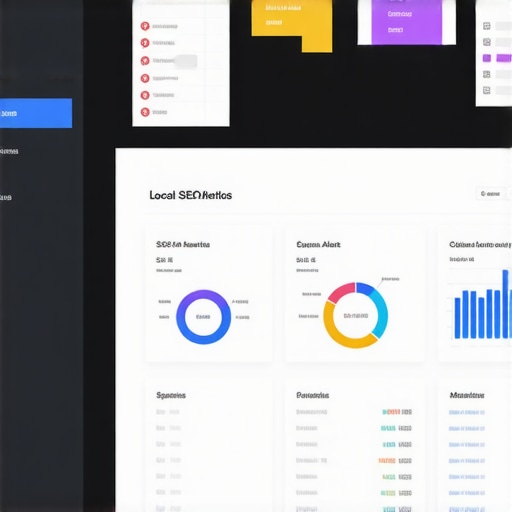
To visualize effective profile monitoring, here’s an illustration of a dashboard interface that consolidates ranking data, review activity, and spam alerts, helping you stay proactive in GBP maintenance. Including this kind of visual can simplify complex data and make ongoing management less intimidating.
The Hardest Lesson I Learned About GBP Spam Fixes and Profile Recovery
One of the most eye-opening insights I gained was realizing that addressing surface-level issues like fake reviews or spam photos is just scratching the iceberg. The deeper truth is that your entire profile’s trustworthiness hinges on a complex web of signals—ranging from behavioral metrics to verification history—that must be managed holistically. This realization pushed me to develop a more strategic approach, focusing not only on immediate fixes but on long-term trust-building practices.
How To Spot the Hidden Triggers That Sabotage Your Rankings
Early in my journey, I learned that sudden ranking drops often originate from subtle flags—such as inconsistent NAP data or suspicious review patterns—that are easy to overlook. Using profile history audits and tools like these proofs for 2026 profile recovery helped me uncover issues lurking beneath the surface. Recognizing these hidden signals transformed my troubleshooting process and dramatically improved recovery success rates.
Why Rushing To Fix Is Often a Mistake (And What To Do Instead)
I used to think that quick fixes like deleting reviews or resubmitting verification would swiftly restore my profile. However, I discovered that hasty actions can trigger additional flags, prolonging the recovery process. Patience, combined with strategic evidence gathering and methodical verification, proved far more effective. This shift in thinking led me to invest time in building irrefutable proof of my business’s legitimacy, ensuring Google recognizes my genuine presence.
My Favorite Resources That Keep My GBP Healthy
Over the years, certain tools and resources have become indispensable. BrightLocal’s comprehensive ranking dashboards provide real-time insights, while Whitespark’s Citation Tracker ensures consistency across directories. For review management, ReviewTrackers has been vital in preemptively addressing negative feedback. I trust these because they offer actionable data and have consistently helped me maintain a resilient profile, especially amid evolving spam tactics.
Your Next Move Starts Now
Remember, the landscape of local SEO and GBP management is always shifting. The most successful practitioners are those who stay proactive—leveraging both proven tactics and innovative tools—to safeguard their visibility. Challenges like spam or ranking fluctuations are inevitable, but with the right mindset and resources, you can turn setbacks into opportunities for growth. So, what small change will you implement today to strengthen your GBP’s resilience? Share your plans below—I’d love to hear your story!
📚 Further Reading
- Google Business Profile ranking drop — Stručni vodič za dijagnostiku naglog pada rangiranja koji potvrđuje važnost anal
- Google Business Profile optimization — Dodatni savjeti za optimizaciju koji pomažu u dugoročnom sprječavanju gubitka vi
- Beginner’s Guide to Google Business Profiles — Osnovni resurs za razumijevanje funkcionisanja Google Business profila za vlasni