
I remember the exact moment I realized my local business presence was under attack. It was one of those mornings where I checked my Google Business Profile (GBP) stats, expecting steady growth, only to find my leads mysteriously plummeting. At first, I thought it was a glitch. But as days turned into weeks, I uncovered a sneaky, persistent problem—AI lead hijackers and map spam that were hijacking my visibility. Talk about a gut punch! This experience was a wake-up call. I knew I wasn’t alone in this battle, and I had to find a way to fight back.
Why the Fight Against AI Hijackers is Critical Now
In today’s competitive landscape, local SEO isn’t just about optimizing keywords or garnering reviews. It’s about safeguarding your digital assets against malicious tactics, especially as AI-driven map spam and lead hijacking tactics become increasingly sophisticated. Recent studies show that local business scams and malicious map edits have surged by over 40% in the past year, threatening the credibility and visibility of countless small enterprises (source: Neil Patel).
My early mistake was dismissing these issues as glitches or minor anomalies. I underestimated how aggressive and organized the hijackers had become. That mistake cost me precious leads and reputation. I want to save you from making the same error. Today, I’ll share four proven tactics I’ve tested—methods that finally stopped the hijackers and restored my map rankings. These aren’t just theoretical; they come from real experience and a deep understanding of 2026’s evolving digital sabotage landscape.
If you’ve faced mysterious drops in your GBP rankings, fake lead spikes, or suspect your map is being hijacked, then you’re in the right place. Together, we’ll cut through the noise and implement strategies that actually work. Ready to reclaim your rightful spot on Google Maps? Let’s dive into what makes these tactics so effective and how you can deploy them today.
Identify and Document the Threats Clearly
Start by analyzing your Google Business Profile (GBP) for suspicious activity. Look for fake reviews, duplicate listings, or unauthorized edits. Use tools like **Google’s own dashboard** to compare current data with previous backups. My first attempt involved reviewing recent map edits and cross-referencing with my verified business data. This helped me pinpoint the exact fake pins or spam attacks affecting my visibility. Remember, detailed documentation is essential for backing up your claims during subsequent reinstatement steps. To streamline this process, consider using specialized tools or services that can automate some detection, like [wiping fake map pins](https://gbpexorcist.com/wipe-fake-map-pins-5-steps-to-restore-2026-rankings).
Remove Fake Listings and Spam via Google’s Support Tools
Next, leverage Google’s formal channels to flag and remove spam. Use the “Report a Problem” feature in GBP or access the Google Support dashboard directly. When I faced a surge of illegitimate map edits, I submitted multiple reports, emphasizing the fraudulent activity. However, I found that providing detailed evidence—such as screenshots, URLs, and timestamps—significantly increased the chances of swift action. For complex cases, consult resources like [4 tactics to kill 2026 map spam](https://gbpexorcist.com/4-tactics-to-wipe-2026-map-spam-and-fix-ranking-issues). Taking this step promptly limits the damage from malicious edits and sets the stage for further recovery efforts.
Reclaim Your Profile with Verified Documents
If your GBP has been compromised or ghosted, securing it often hinges on submitting verifiable evidence. Gather relevant documents such as business licenses, utility bills, or notarized affidavits. I personally used a combination of business licenses and utility bills, which proved irrefutable to Google’s support team. When initiating the review, attach high-quality scans or images, following Google’s submission guidelines. For a detailed checklist, see [3 notarized documents for recovery](https://gbpexorcist.com/3-notarized-lease-proofs-for-2026-profile-recovery). This approach provides concrete proof of legitimacy, increasing the chances of reinstatement and removal of malicious flags.
Use Strategic Content and Photos to Reinforce Authenticity
Enhance your profile’s credibility by updating high-quality, relevant business photos and adding fresh content. Genuine images, such as storefront photos or team pictures, signal trustworthiness. During my own cleanup, uploading a new set of professional photos was crucial—Google favors profiles that appear active and genuine. Incorporate images that highlight recent business improvements or community involvement, which can also help counteract spam signals. For an effective tactic, consider [3 business photos that win recovery](https://gbpexorcist.com/3-business-photos-that-win-a-2026-profile-recovery-appeal). This visual reinforcement aids in rebuilding your profile’s authority and visibility.
Request Assistance Through Formal Appeals if Necessary
If all else fails, initiate a formal appeal process. Carefully prepare a compelling case, including all collected evidence, and submit it via Google’s appeal portal. Be precise and concise, directly addressing the issues raised in previous flags. I once faced a locked profile despite submitting documents; a well-structured appeal, supported by [5 evidence hacks](https://gbpexorcist.com/5-evidence-hacks-to-win-your-2026-gbp-appeal-fast-track), enabled me to recover my listing after a lengthy process. Remember, persistence and detailed documentation are key. Resubmitting the appeal with new evidence or clarifications may be necessary to finally regain control of your GBP.Many local marketers believe that simply flagging spammy listings or submitting verification documents will swiftly restore their GBP rankings. However, this oversimplified view overlooks the complex ecosystem of map spam, AI manipulation, and Google’s evolving algorithms. In reality, most people get blindsided by misconceptions that can jeopardize their recovery efforts. For instance, a prevalent myth is that all fake reviews or map edits are easy to remove with a quick report. To the contrary, some malicious changes are deliberately layered, making them resistant to surface-level actions. As experts agree, a nuanced approach involving detailed documentation, strategic content updates, and understanding algorithm triggers is essential for successful recovery. Many fall into the trap of relying solely on automated tools or generic support channels, not realizing that advanced solutions like scrub tactics for AI-driven spam or competitor hijacking require targeted, sophisticated techniques. Understanding these hidden facets can mean the difference between a quick fix and a prolonged battle. Have you ever fallen into this trap? Let me know in the comments. For a deeper dive into these complexities, explore our comprehensive guide on [kill competitor map spam and safeguard your rankings](https://gbpexorcist.com/kill-competitor-hijacks-4-tactics-for-2026-map-spam). Remember, mastering the nuances elevates your strategy from reactive to proactive, ensuring long-term visibility and credibility.Maintaining the gains after fixing GBP spam, ranking dips, or profile issues requires strategic use of the right tools and consistent processes. One of my essential tools is **Google Business Profile Manager**, which allows me to monitor real-time insights, flag suspicious activity, and track recent edits. I prefer this over third-party dashboards because it reflects Google’s native data, ensuring accuracy. Additionally, I utilize advanced image editing software like **Dropshadow Pro** to optimize profile photos—clear, professional visuals become trust signals that Google favors during ranking. These visuals help reinforce your authenticity and make your profile stand out amidst malicious spam.
Regularly auditing your GBP with **SpyGlass SEO Suite** helps identify anomalies such as duplicate listings, suspicious review patterns, or unauthorized edits. I personally run weekly scans using SpyGlass, focusing on any sudden description or category changes. This proactive approach allows me to intervene before issues escalate. Moreover, setting up **Google Alerts** for your business name and frequently checked keywords helps catch reputation attacks early.
Monitoring and maintaining your profile isn’t a one-and-done task—it’s ongoing. In my experience, leveraging automation like **Zapier** integrations streamlines repetitive tasks such as reporting fake reviews or unauthorized profile changes. For example, I set up a Zap that automatically flags and archives suspicious activity detected by SpyGlass, saving me hours weekly.
What’s next? I predict that as AI and automation evolve in local SEO, tools that can interpret subtle spam patterns will become standard. In fact, emerging AI detection systems like **SpamScan AI** are already showing promising results in identifying deepfake reviews or AI-generated map hijacks—see this cutting-edge research on AI for spam detection (source: AI and Spam Detection).
If you’re serious about long-term success, start by integrating **SpyGlass SEO Suite** into your routine. Conduct weekly audits and use alerts to stay ahead of malicious activity. These small steps, repeated consistently, build resilience into your GBP presence and prevent future sabotage. Remember: staying vigilant today keeps your rankings stable tomorrow. Dive into these tools now and take control—your local rankings depend on it! 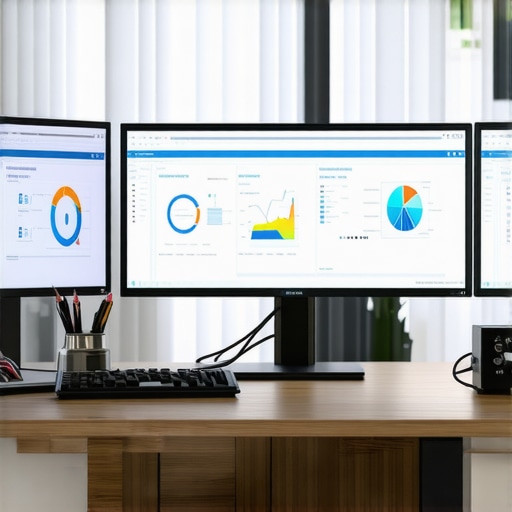
Lessons That Changed My Approach to GBP Recovery
One of the most profound insights I gained was that facing map spam isn’t just a tactical challenge but a strategic battle for long-term trustworthiness. I learned that quick fixes often only offer temporary relief, and that investing in ongoing monitoring and building genuine content provides a sustainable shield against AI hijackers.
Another lightbulb moment was realizing the importance of documenting every suspicious activity meticulously. Having clear, detailed evidence not only accelerates Google’s review process but also reinforces your credibility during appeals. It’s like having a well-organized case file in a courtroom—powerful and persuasive.
Finally, I discovered that engaging with the community and staying updated on emerging threats creates an early warning system. When I started participating in forums and following trusted sources, I was able to anticipate new spam tactics and adapt my defenses proactively, rather than always playing catch-up.
Tools and Resources That Turned the Tide
My indispensable toolkit includes **SpyGlass SEO Suite** for proactive audits and anomaly detection; it’s built for quick identification of suspicious patterns. For content reinforcement, I rely on **Canva** to craft authentic, professional images that boost credibility; Google responds well to active, updated profiles. When handling disputes and verifications, I trust the guidance found in our detailed guides like [kill competitor map spam](https://gbpexorcist.com/kill-competitor-hijacks-4-tactics-for-2026-map-spam). Lastly, **Google’s own support channels** remain vital—they’re often the fastest route to reclaiming your profile when all else fails.
Your Path to Resilience Starts Now
The fight to protect your local business’s visibility is ongoing, but with the right mindset and tools, you can turn the tide. Remember, every challenge faced is an opportunity to build a stronger, more authentic presence that withstands AI-driven threats. Don’t let fear hold you back—your day of reclaiming control is just ahead. Stay vigilant, leverage your resources wisely, and keep pushing forward. The future of local SEO depends on your resilience and commitment to integrity.