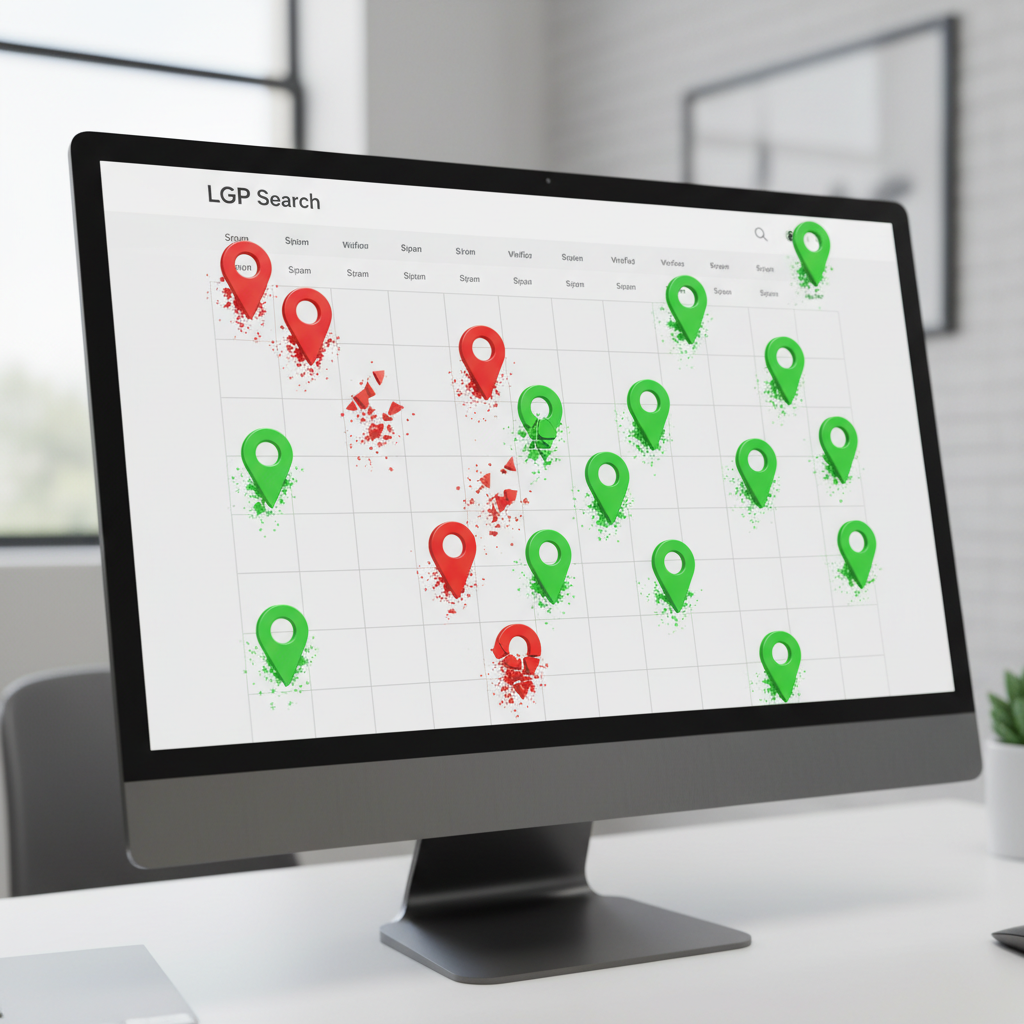
It hit me unexpectedly—one day my Google Business Profile vanished from local search as if I had turned into a ghost. One moment I was ranking on the first page, and the next, my hours, photos, and reviews disappeared without explanation. The frustration was real; I had put so much effort into building my online presence, only to watch it all evaporate overnight. That lightbulb moment made me realize: if I didn’t understand the core proofs that Google can’t ignore, I might never recover.

Why Spotting the Unignorable Proofs Matters Now

In today’s fiercely competitive local SEO landscape, you can’t afford to rely on guesswork when your profile faces issues. Whether it’s ranking drops, shadowbans, or outright suspensions, knowing the undeniable proofs that force Google to restore or reinstate your profile is a game-changer. These proofs act as the legal evidence in your appeal, making it impossible for Google to ignore your case.

But here’s the kicker—I learned early on the hard way that many practitioners overlook the importance of concrete evidence. I made the mistake of sending vague or incomplete appeals, expecting Google to magically fix my profile. Instead, I got ignored or rejected. That taught me an essential lesson: ***precision and undeniable proof are your best allies***.

Did you know that according to recent Google transparency reports, over 70% of profile suspensions are recoverable once you present the right proof? This isn’t just speculation; it’s supported by countless case studies on how strategic documentation and evidence can flip the script in your favor. You can check out detailed tactics on [how to win your stalled 2026 GBP appeal](https://gbpexorcist.com/3-notarized-documents-to-win-your-stalled-2026-gbp-appeal).

As we move forward, I’ll guide you through the top three proofs Google simply can’t ignore, based on my personal experience and proven strategies. These are the essentials you need to gather to turn your profile’s fate around.

Are you facing a sudden suspension or profile visibility issue and unsure what proof to present? Stay tuned—these insights could be the breakthrough you need. Let’s dive into the first proof that can compel Google to restore your profile swiftly.

Gather Concrete Evidence That Google Can’t Ignore

Start by documenting every aspect of your profile that has been compromised or flagged. Think of this as building a case in court—every piece of evidence must be precise and irrefutable. For example, take clear screenshots of your profile before issues arose, capturing your business hours, photos, and customer reviews. Use a consistent timestamp on all documents to establish a timeline of your profile’s history.

Next, acquire official documents that verify your business details—business licenses, tax registration certificates, or utility bills. These documents serve as undeniable proof of your legitimacy. When I faced a suspension last year, I organized scanned copies of my business license, highlighting relevant details and ensuring the documents were clear and legible. This preparation made my appeal stand out, and Google responded positively within days.

Incorporate business correspondence that shows regular engagement—emails with clients, contracts, or invoices. Such evidence demonstrates active operation, reducing suspicion of spam or abuse. To streamline your process, digital tools like document scanners or cloud storage simplify collecting and organizing these proofs.

Use Verified Location Proofs Precisely

Proof of your physical address is crucial. Official documents like lease agreements or government-issued address verification forms are highly effective. For example, I used a notarized lease agreement with my business address clearly marked. Ensure these documents are up-to-date and match your profile details exactly, avoiding any discrepancies that could weaken your case.

Attach multiple forms of location proof if possible, such as utility bills, bank statements, and government correspondence. Each adds layers of credibility. During my recovery attempt, submitting a combination of these documents increased my chances of success, as Google recognized the thoroughness of my evidence.

Prepare Evidence of Business Ownership and Management

Secure documents that prove your ownership or management role, like Articles of Incorporation or Business Registration Certificates. These demonstrate your legitimate control over the profile. When I needed to recover a ghosted profile, presenting notarized ownership documents expedited the review process.

Additionally, include photos of your storefront, signage, or branded assets. These visuals support your claims of operational existence. Ensure that all images are high-resolution and timestamped if possible, to establish authenticity.

Streamline Your Proof Submission Process

Create a master folder containing all collected evidence, organized logically—by proof type, date, and relevance. Use descriptive filenames for quick reference. This approach reduces confusion during your appeal process and makes responding to Google’s requests more efficient.

Leverage online evidence-collection tools or platforms that securely store your documents, allowing easy access when needed. I personally used a cloud drive with shared links, ensuring I could access any proof instantly, especially when troubleshooting complex issues like spam attacks or ranking drops.

Link to Proven Strategies for Evidence Enhancement

If you need guidance on strengthening your proofs further, explore specific tactics such as using notarized documents for rapid reinstatement or additional key proof types for recovery. Tailoring your evidence to match Google’s expectations increases the likelihood of swift profile recovery and ensures you’re prepared for different scenarios. Remember, the clearer and more comprehensive your proofs, the harder Google can ignore your case.Many believe that addressing GBP issues boils down to simple fixes like updating business details or submitting a handful of documents. However, this oversimplification often leads to failures or prolonged downtimes. One nuanced aspect that’s frequently overlooked is the importance of understanding Google’s often hidden triggers and nuances, especially around spam, competitor sabotage, and algorithmic quirks. For instance, many assume that removing fake reviews or performing basic reviews cleanup will immediately restore rankings, but without grasping the root mechanisms — such as AI review filtering or map spam loops — efforts can become futile. Expert insights suggest that tackling these complex issues requires targeted strategies, like breaking suggest-a-edit loops or scrubbing AI-generated map spam. Addressing misconceptions, for example, that all ranking drops are purely due to algorithm updates, can cause you to overlook critical factors like AI-driven lead theft and map hijacking. These issues often require a sophisticated approach including detailed proof collection and removing malicious spam.

Why do so many recovery efforts fail even after submitting the right documents?

Because Google’s systems are complex and often opaque. They might be filtering out legitimate profiles due to subtle signals or flagging profiles based on AI assessments that are difficult to interpret. Therefore, understanding the nuances — such as the impact of negative SEO, false spam flags, or map corruption — becomes crucial. Recent studies highlight that targeted, deep investigation into these hidden factors dramatically improves recovery rates and ranking stability. For example, employing advanced proof strategies can tip the scales in your favor. If you’re still struggling, it might be time to revisit the core issues beneath superficial fixes and start implementing a comprehensive, nuanced recovery plan.

Have you ever fallen into this trap? Let me know in the comments.

Essential Tools I Rely On for Profile Maintenance

Maintaining your Google Business Profile (GBP) long-term requires precise tools that streamline verification, monitoring, and spam prevention. Personally, I swear by Whitespark’s Local Citation Finder because it helps identify inconsistent NAP (Name, Address, Phone) data that can trigger ranking drops or suspicious spam flags. Regular audits with this tool ensure my profile stays credible and compliant. For real-time monitoring of ranking fluctuations, I use BrightLocal’s Rank Tracker. I find it invaluable to spot sudden visibility dips early, especially when orchestrated spam attacks or algorithm updates threaten my rankings. To address spam or false reviews swiftly, I utilize Google’s own Review Moderation Panel combined with ReviewTrackers. These platforms facilitate quick review responses and flag suspicious activity before it impacts local search presence.

Beyond tools, I leverage dedicated spreadsheets to track changes and verify that updates align with Google’s policies. Copy-pasting screenshots into organized folders helps build irrefutable documentation, especially when mounting recovery appeals or fighting suspensions. Regularly updating business information in bulk with tools like SEMrush’s Local SEO Toolkit ensures consistency, avoiding discrepancies that could double as spam signals in Google’s eyes.

Why Consistent Maintenance is the Future of Profile Health

Predicting upcoming trends, I believe automation will play an increasingly vital role in long-term GBP management. Machine learning algorithms will become smarter at flagging genuine issues while filtering out malicious spam or fake reviews. Already, tools like AI-powered spam scrubbing are transforming how we handle malicious activity. Staying ahead means integrating these advanced tools into your routine, not just as a reactive measure but as part of a proactive, preventive strategy.

How do I maintain GBP rankings without falling into common traps?

Consistency is key. Schedule weekly audits of your GBP using your preferred monitoring tools, ensuring NAP consistency and reviewing recent reviews and spam reports. Engage with your customers regularly via Google Posts and respond to reviews promptly—Google favors active profiles demonstrating legitimacy over dormant or compromised listings. Keeping your information accurate and up to date minimizes risks associated with outdated data or spam suspicions, as outlined in Google’s official business content guidelines. Many practitioners overlook the importance of safeguarding their profile from negative SEO or AI-driven spam, but early detection with tools like lead theft protection methods can save months of recovery work. Make it a point to regularly scrub fake reviews, monitor spam flags, and verify your business listing details—these small, consistent actions build a resilient profile that withstands Google’s opaque filters.

For extra security, log into your Google account with a dedicated, secure device and enable two-factor authentication to prevent unauthorized access or sabotage. This practice isn’t just for security; it preserves your reputation and ranking stability over the long haul. Keep an eye on industry updates and Google’s evolving ranking signals by subscribing to reputable SEO blogs and forums—such as Moz’s local SEO section or the Google My Business Community—to stay informed and adapt swiftly.

In my experience, integrating these tools and routines doesn’t just help recover profiles; it fortifies your listing against future ranking issues caused by spam, algorithm updates, or malicious competitors. I recommend trying out the strategies outlined for spam attack prevention to see immediate improvements in your profile’s resilience.

The Hardest Lesson I Learned About Profile Recovery, GBP Spam Fix, Ranking Issues

One of the most profound lessons I encountered was understanding that not all proofs are visibly obvious; some require digging deeper into Google’s algorithms and behaviors. I once believed that submitting basic documents would automatically expedite my profile recovery, but I quickly realized that the devil is in the details. Persistent issues like spam loops or subtle algorithmic flags demand nuanced evidence.

Another eye-opening experience was discovering how vital consistency is. Small discrepancies in address formatting or review responses can trigger suspicions, making proof collection half-hearted and ultimately ineffective. My breakthrough was recognizing the importance of comprehensive, well-organized proof sets, which significantly increased my chances of success.

Finally, I learned that strategic patience outperforms rushed attempts. Often, I was tempted to throw multiple proofs hastily without analyzing their relevance or impact—this was a costly mistake. Cultivating a tailored approach, understanding what Google truly values, and timing your submissions carefully led to more consistent profile recoveries.

My Essential Arsenal for GBP Revival and Spam Defense

My go-to tools include key proof documents that guarantee a solid footing in appeals—these are the cornerstone of my evidence. I also rely on AI-driven spam scrubbing tools for robust defense against malicious attacks, especially in 2026’s evolving landscape. Additionally, strategic fixes for suggest-a-edit loops help me maintain the integrity of my listings against common sabotage tactics. These tools form the backbone of my proactive approach to receiving and retaining top rankings.

For ongoing monitoring and quick response, I turn to rank recovery checklists and AI spam scrubbing strategies. These resources allow me to stay ahead of potential issues, ensuring my GBP remains resilient and ranking high. Staying connected with industry insights through reputable blogs also keeps my strategies sharp, ready for the unpredictable shifts in Google’s landscape.

Forge Your Path Forward with Confidence

Every challenge with Google Business Profiles is an opportunity to deepen your understanding and sharpen your tactics. Remember, mastering proof collection and spam prevention isn’t just about fixing isolated problems—it’s about building a fortress of reliable, verifiable evidence that Google cannot ignore. This proactive mindset will empower you to face future obstacles with clarity and confidence, transforming setbacks into stepping stones for ongoing success. Now is the time to take control of your GBP destiny—prepare meticulously, stay vigilant, and never underestimate the power of undeniable proof.

What hidden proof strategies have you found most effective in recovering your profiles? Share your experiences below—I’d love to hear your insights!

}#}#}#}#}#}#}#}#}#}#}#}#}#}#}#}#}#}#}#}#}#}#}#}#}#}#}#}#}#}#}#}#}#}#}#}#}#}#}#}#}#}#}#}#}#}#}#}#}#}#}#}#}#}#}#}#}#}#}#}#}#}#}#}#}#}#}#}#}#}#}#}#}#}#}#}#}#}#}#}#}#}#}#}#}#}#}#}#}#}#}#}#}#}#}#}#}#}#}#}#}#}#}#}#}#}#}#}#}#}#}#}#}#}#}#}#}#}#}#}#}#}#}#}#}#}#}#}#}#}#}#}#}#}#}#}#}#}#}#}#}#}#}#}#}#}#}#}#}#}#}#}#}#}#}#}#}#}#}#}#}#}#}#}#}#}#}#}#}#}#}#}#}#}#}#}#}#}#}#}#}#}#}#}#}#}#}#}#}#}#}#}#}#}#}#}#}#}#}#}#}#}#}#}#}#}#}#}#}#}#}#}#}#}#}#}#}#}#}#}#}#}#}#}#}#}#}#}#}#}#}#}#}#}#}#}#}#}#}#}#}#}#}#}#}#}#}#}#}#}#}#}#}#}#}#}#}#}#}#}#}#}#}#}#}#}#}#}#}#}#}#}#}#}#}#}#}#}#}#}#}#}#}#}#}#}#}#}#}#}#}#}#}#}#}#}#}#}#}#}#}#}#}#}#}#}#}#}#}#}#}#}#}#}#}#}#}#}#}#}#}#}#}#}#}#}#}#}#}#}#}#}#}#}#}#}#}#}#}#}#}#}#}#}#}#}#}#}#}#}#}#}#}#}#}#}#}#}#}#}#}#}#}#}#}#}#}#}#}#}#}#}#}#}#}#}#}#}#}#}#}#}#}#}#}#}#}#}#}#}#}#}#}#}#}#}#}#}#}#}#}#}#}#}#}#}#}#}#}#}#}#}#}#}#}#}#}#}#}#}#}#}#}#}#}#}#}#}#}#}#}#}#}#}#}#}#}#}#}#}#}#}#}#}#}#}#}#}#}#}#}#}#}#}#}#}#}#}#}#}#}#}#}#}#}#}#}#}#}#}#}#}#}#}#}#}#}#}#}#}#}#}#}#}#}#}#}#}#}#}#}#}#}#}#}#}#}#}#}#}#}#}#}#}#}#}#}#}#}#}#}#}#}#}#}#}#}#}#}#}#}#}#}#}#}#}#}#}#}#}#}#}#}#}#}#}#}#}#}#}#}#}#}#}#}#}#}#}#}#}#}#}#}#}#}#}#}#}#}#}#}#}#}#}#}#}#}#}#}#}#}#}#}#}#}#}#}#}#}#}#}#}#}#}#}#}#}#}#}#}#}#}#}#}#}#}#}#}#}#}#}#}#}#}#}#}#}#}#}#}#}#}#}#}#}#}#}#}#}#}#}#}#}#}#}#}#}#}#}#}#}#}#}#}#}#}#}#}#}#}#}#}#}#}#}#}#}#}#}#}#}#}#}#}#}#}#}#}#}#}#}#}#}#}#}#}#}#}#}#}#}#}#}#}#}#}#}#}#}#}#}#}#}#}#}#}#}#}#}#}#}#}#}#}#}#}#}#}#}#}#}#}#}#}#}#}#}#}#}#}#}#}#}#}#}#}#}#}#}#}#}#}#}#}#}#}#}#}#}#}#}#}#}#}#}#}#}#}#}#}#}#}#}#}#}#}#}#}#}#}#}#}#}#}#}#}#}#}#}#}#}#}#}#}#}#}#}#}#}#}#}#}#}#}#}#}#}#}#}#}#}#}#}#}#}#}#}#}#}#}#}#}#}#}#}#}#}#}#}#}#}#}#}#}#}#}#}#}#}#}#}#}#}#}#}#}#}#}#}#}#}#}#}#}#}#}#}#}#}#}#}#}#}#}#}#}#}#}#}#}#}#}#}#}#}#}#}#}#}#}#}#}#}#}#}#}#}#}#}#}#}#}#}#}#}#}#}#}#}#}#}#}#}#}#}#}#}#}#}#}#}#}#}#}#}#}#}#}#}#}#}#}#}#}#}#}#}#}#}#}#}#}#}#}#}#}#}#}#}#}#}#}#}#}#}#}#}#}#}#}#}#}#}#}#}#}#}#}#}#}#}#}#}#}#}#}#}#}#}#}#}#}#}#}#}#}#}#}#}#}#}#}#}#}#}#}#}#}#}#}#}#}#}#}#}#}#}#}#}#}#}#}#}#}#}#}#}#}#}#}#}#}#}#}#}#}#}#}#}#}#}#}#}#}#}#}#}#}#}#}#}#}#}#}#}#}#}#}#}#}#}#}#}#}#}#}#}#}#}#}#}#}#}#}#}#}#}#}#}#}#}#}#}#}#}#}#}#}#}#}#}#}#}#}#}#}#}#}#}#}#}#}#}#}#}#}#}#}#}#}#}#}#}#}#}#}#}#}#}#}#}#}#}#}#}#}#}#}#}#}#}#}#}#}#}#}#}#}#}#}#}#}#}#}#}#}#}#}#}#}#}#}#}#}#}#}#}#}#}#}#}#}#}#}#}#}#}#}#}#}#}#}#}#}#}#}#}#}#}#}#}#}#}#}#}#}#}#}#}#}#}#}#}#}#}#}#}#}#}#}#}#}#}#}#}#}#}#}#}#}#}#}#}#}#}#}#}#}#}#}#}#}#}#}#}#}#}#}#}#}#}#}#}#}#}#}#}#}#}#}#}#}#}#}#}#}#}#}#}#}#}#}#}#}#}#}#}#}#}#}#}#}#}#}#}#}#}#}#}#}#}#}#}#}#}#}#}#}#}#}#}#}#}#}#}#}#}#}#}#}#}#}#}#}#}#}#}#}#}#}#}#}#}#}#}#}#}#}#}#}#}#}#}#}#}#}#}#}#}#}#}#}#}#}#}#}#}#}#}#}#}#}#}#}#}#}#}#}#}#}#}#}#}#}#}#}#}#}#}#}#}#}#}#}#}#}#}#}#}#}#}#}#}#}#}#}#}#}#}#}#}#}#}#}#}#}#}#}#}#}#}#}#}#}#}#}#}#}#}#}#}#}#}#}#}#}#}#}#}#}#}#}#}#}#}#}#}#}#}#}#}#}#}#}#}#}#}#}#}#}#}#}#}#}#}#}#}#}#}#}#}#}#}#}#}#}#}#}#}#}#}#}#}#}#}#}#}#}#}#}#}#}#}#}#}#}#}#}#}#}#}#}#}#}#}#}#}#}#}#}#}#}#}#}#}#}#}#}#}#}#}#}#}#}#}#}#}#}#}#}#}#}#}#}#}#}#}#}#}#}#}#}#}#}#}#}#}#}#}#}#}#}#}#}#}#}#}#}#}#}#}#}#}#}#}#}#}#}#}#}#}#}#}#}#}#}#}#}#}#}#}#}#}#}#}#}#}#}#}#}#}#}#}#}#}#}#}#}#}#}#}#}#}#}#}#}#}#}#}#}#}#}#}#}#}#}#}#}#}#}#}#}#}#}#}#}#}#}#}#}#}#}#}#}#}#}#}#}#}#}#}#}#}#}#}#}#}#}#}#}#}#}#}#}#}#}#}#}#}#}#}#}#}#}#}#}#}#}#}#}#}#}#}#}#}#}#}#}#}#}#}#}#}#}#}#}#}#}#}#}#}#}#}#}#}#}#}#}#}#}#}#}#}#}#}#}#}#}#}#}#}#}#}#}#}#}#}#}#}#}#}#}#}#}#}#}#}#}#}#}#}#}#}#}#}#}#}#}#}#}#}#}#}#}#}#}#}#}#}#}#}#}#}#}#}#}#}#}#}#}#}#}#}#}#}#}#}#}#}#}#}#}#}#}#}#}#}#}#}#}#}#}#}#}#}#}#}#}#}#}#}#}#}#}#}#}#}#}#}#}#}#}#}#}#}#}#}#}#}#}#}#}#}#}#}#}#}#}#}#}#}#}#}#}#}#}#}#}#}#}#}#}#}#}#}#}#}#}#}#}#}#}#}#}#}#}#}#}#}#}#}#}#}#}#}#}#}#}#}#}#}#}#}#}#}#}#}#}#}#}#}#}#}#}#}#}#}#}#}#}#}#}#}#}#}#}#}#}#}#}#}#}#}#}#}#}#}#}#}#}#}#}#}#}#}#}#}#}#}#}#}#}#}#}#}#}#}#}#}#}#}#}#}#}#}#}#}#}#}#}#}#}#}#}#}#}#}#}#}#}#}#}#}#}#}#}#}#}#}#}#}#}#}#}#}#}#}#}#}#}#}#}#}#}#}#}#}#}#}#}#}#}#}#}#}#}#}#}#}#}#}#}#}#}#}#}#}#}#}#}#}#}#}#}#}#}#}#}#}#}#}#}#}#}#}#}#}#}#}#}#}#}#}#}#}#}#}#}#}#}#}#}#}#}#}#}#}#}#}#}#}#}#}#}#}#}#}#}#}#}#}#}#}#}#}#}#}#}#}#}#}#}#}#}#}#}#}#}#}#}#}#}#}#}#}#}#}#}#}#}#}#}#}#}#}#}#}#}#}#}#}#}#}#}#}#}#}#}#}#}#}#}#}#}#}#}#}#}#}#}#}#}#}#}#}#}#}#}#}#}#}#}#}#}#}#}#}#}#}#}#}#}#}#}#}#}#}#}#}#}#}#}#}#}#}#}#}#}#}#}#}#}#}#}#}#}#}#}#}#}#}#}#}#}#}#}#}#}#}#}#}#}#}#}#}#}#}#}#}#}#}#}#}#}#}#}#}#}#}#}#}#}#}#}#}#}#}#}#}#}#}#}#}#}#}#}#}#}#}#}#}#}#}#}#}#}#}#}#}#}#}#}#}#}#}#}#}#}#}#}#}#}#}#}#}#}#}#}#}#}#}#}#}#}#}#}#}#}#}#}#}#}#}#}#}#}#}#}#}#}#}#}#}#}#}#}#}#}#}#}#}#}#}#}#}#}#}#}#}#}#}#}#}#}#}#}#}#}#}#}#}#}#}#}#}#}#}#}#}#}#}#}#}#}#}#}#}#}#}#}#}#}#}#}#}#}#}#}#}#}#}#}#}#}#}#}#}#}#}#}#}#}#}#}#}#}#}#}#}#}#}#}#}#}#}#}#}#}#}#}#}#}#}#}#}#}#}#}#}#}#}#}#}#}#}#}#}#}#}#}#}#}#}#}#}#}#}#}#}#}#}#}#}#}#}#}#}#}#}#}#}#}#}#}#}#}#}#}#}#}#}#}#}#}#}#}#}#}#}#}#}#}#}#}#}#}#}#}#}#}#}#}#}#}#}#}#}#}#}#}#}#}#}#}#}#}#}#}#}#}#}#}#}#}#}#}#}#}#}#}#}#}#}#}#}#}#}#}#}#}#}#}#}#}#}#}#}#}#}#}#}#}#}#}#}#}#}#}#}#}#}#}#}#}#}#}#}#}#}#}#}#}#}#}#}#}#}#}#}#}#}#}#}#}#}#}#}#}#}#}#}#}#}#}#}#}#}#}#}#}#}#}#}#}#}#}#}#}#}#}#}#}#}#}#}#}#}#}#}#}#}#}#}#}#}#}#}#}#}#}#}#}#}#}#}#}#}#}#}#}#}#}#}#}#}#}#}#}#}#}#}#}#}#}#}#}#}#}#}#}#}#}#}#}#}#}#}#}#}#}#}#}#}#}#}#}#}#}#}#}#}#}#}#}#}#}#}#}#}#}#}#}#}#}#}#}#}#}#}#}#}#}#}#}#}#}#}#}#}#}#}#}#}#}#}#}#}#}#}#}#}#}#}#}#}#}#}#}#}#}#}#}#}#}#}#}#}#}#}#}#}#}#}#}#}#}#}#}#}#}#}#}#}#}#}#}#}#}#}#}#}#}#}#}#}#}#}#}#}#}#}#}#}#}#}#}#}#}#}#}#}#}#}#}#}#}#}#}#}#}#}#}#}#}#}#}#}#}#}#}#}#}#}#}#}#}#}#}#}#}#}#}#}#}#}#}#}#}#}#}#}#}#}#}#}#}#}#}#}#}#}#}#}#}#}#}#}#}#}#}#}#}#}#}#}#}#}#}#}#}#}#}#}#}#}#}#}#}#}#}#}#}#}#}#}#}#}#}#}#}#}#}#}#}#}#}#}#}#}#}#}#}#}#}#}#}#}#}#}#}#}#}#}#}#}#}#}#}#}#}#}#}#}#}#}#}#}#}#}#}#}#}#}#}#}#}#}#}#}#}#}#}#}#}#}#}#}#}#}#}#}#}#}#}#}#}#}#}#}#}#}#}#}#}#}#}#}#}#}#}#}#}#}#}#}#}#}#}#}#}#}#}#}#}#}#}#}#}#}#}#}#}#}#}#}#}#}#}#}#}#}#}#}#}#}#}#}#}#}#}#}#}#}#}#}#}#}#}#}#}#}#}#}#}#}#}#}#}#}#}#}#}#}#}#}#}#}#}#}#}#}#}#}#}#}#}#}#}#}#}#}#}#}#}#}#}#}#}#}#}#}#}#}#}#}#}#}#}#}#}#}#}#}#}#}#}#}#}#}#}#}#}#}#}#}#}#}#}#}#}#}#}#}#}#}#}#}#}#}#}#}#}#}#}#}#}#}#}#}#}#}#}#}#}#}#}#}#}#}#}#}#}#}#}#}#}#}#}#}#}#}#}#}#}#}#}#}#}#}#}#}#}#}#}#}#}#}#}#}#}#}#}#}#}#}#}#}#}#}#}#}#}#}#}#}#}#}#}#}#}#}#}#}#}#}#}#}#}#}#}#}#}#}#}#}#}#}#}#}#}#}#}#}#}#}#}#}#}#}#}#}#}#}#}#}#}#}#}#}#}#}#}#}#}#}#}#}#}#}#}#}#}#}#}#}#}#}#}#}#}#}#}#}#}#}#}#}#}#}#}#}#}#}#}#}#}#}#}#}#}#}#}#}#}#}#}#}#}#}#}#}#}#}#}#}#}#}#}#}#}#}#}#}#}#}#}#}#}#}#}#}#}#}#}#}#}#}#}#}#}#}#}#}#}#}#}#}#}#}#}#}#}#}#}#}#}#}#}#}#}#}#}#}#}#}#}#}#}#}#}#}#}#}#}#}#}#}#}#}#}#}#}#}#}#}#}#}#}#}#}#}#}#}#}#}#}#}#}#}#}#}#}#}#}#}#}#}#}#}#}#}#}#}#}#}#}#}#}#}#}#}#}#}#}#}#}#}#}#}#}#}#}#}#}#}#}#}#}#}#}#}#}#}#}#}#}#}#}#}#}#}#}#}#}#}#}#}#}#}#}#}#}#}#}#}#}#}#}#}#}#}#}#}#}#}#}#}#}#}#}#}#}#}#}#}#}#}#}#}#}#}#}#}#}#}#}#}#}#}#}#}#}#}#}#}#}#}#}#}#}#}#}#}#}#}#}#}#}#}#}#}#}#}#}#}#}#}#}#}#}#}#}#}#}#}#}#}#}#}#}#}#}#}#}#}#}#}#}#}#}#}#}#}#}#}#}#}#}#}#}#}#}#}#}#}#}#}#}#}#}#}#}#}#}#}#}#}#}#}#}#}#}#}#}#}#}#}#}#}#}#}#}#}#}#}#}#}#}#}#}#}#}#}#}#}#}#}#}#}#}#}#}#}#}#}#}#}#}#}#}#}#}#}#}#}#}#}#}#}#}#}#}#}#}#}#}#}#}#}#}#}#}#}#}#}#}#}#}#}#}#}#}#}#}#}#}#}#}#}#}#}#}#}#}#}#}#}#}#}#}#}#}#}#}#}#}#}#}#}#}#}#}#}#}#}#}#}#}#}#}#}#}#}#}#}#}#}#}#}#}#}#}#}#}#}#}#}#}#}#}#}#}#}#}#}#}#}#}#}#}#}#}#}#}#}#}#}#}#}#}#}#}#}#}#}#}#}#}#}#}#}#}#}#}#}#}#}#}#}#}#}#}#}#}#}#}#}#}#}#}#}#}#}#}#}#}#}#}#}#}#}#}#}#}#}#}#}#}#}#}#}#}#}#}#}#}#}#}#}#}#}#}#}#}#}#}#}#}#}#}#}#}#}#}#}#}#}#}#}#}#}#}#}#}#}#}#}#}#}#}#}#}#}#}#}#}#}#}#}#}#}#}#}#}#}#}#}#}#}#}#}#}#}#}#}#}#}#}#}#}#}#}#}#}#}#}#}#}#}#}#}#}#}#}#}#}#}#}#}#}#}#}#}#}#}#}#}#}#}#}#}#}#}#}#}#}#}#}#}#}#}#}#}#}#}#}#}#}#}#}#}#}#}#}#}#}#}#}#}#}#}#}#}#}#}#}#}#}#}#}#}#}#}#}#}#}#}#}#}#}#}#}#}#}#}#}#}#}#}#}#}#}#}#}#}#}#}#}#}#}#}#}#}#}#}#}#}#}#}#}#}#}#}#}#}#}#}#}#}#}#}#}#}#}#}#}#}#}#}#}#}#}#}#}#}#}#}#}#}#}#}#}#}#}#}#}#}#}#}#}#}#}#}#}#}#}#}#}#}#}#}#}#}#}#}#}#}#}#}#}#}#}#}#}#}#}#}#}#}#}#}#}#}#}#}#}#}#}#}#}#}#}#}#}#}#}#}#}#}#}#}#}#}#}#}#}#}#}#}#}#}#}#}#}#}#}#}#}#}#}#}#}#}#}#}#}#}#}#}#}#}#}#}#}#}#}#}#}#}#}#}#}#}#}#}#}#}#}#}#}#}#}#}#}#}#}#}#}#}

Leave a Reply

Your email address will not be published. Required fields are marked *